 Michelle Hummel
TL;DR — Tuning forks offer precise, targeted energetic work, ideal for specific areas or chakra balancing, providing quick, focused relief. Singing bowls create immersive, resonant soundscapes, promoting deep relaxation and full-body energetic harmonization, excellent for meditation and stress reduction. The choice depends on individual needs and desired healing intensity.
What is Sound Healing, and How Does it Work?
Sound healing is an ancient therapeutic practice that uses vibrations to restore balance and promote well-being within the body and mind. The core principle is that everything in the universe, including our bodies, is made up of vibrating energy. When we experience stress, illness, or emotional blocks, our natural energetic frequencies can become discordant or out of sync.
By introducing harmonious sounds and vibrations, sound healing tools like tuning forks and singing bowls can help nudge these disrupted frequencies back into alignment. This process, often referred to as 'sympathetic resonance,' encourages relaxation, reduces stress, alleviates pain, and facilitates a deeper connection to one's inner self. The audible and palpable vibrations penetrate deep into the body, influencing cellular structure, nervous system activity, and brainwave patterns to foster a state conducive to healing.
Tuning Forks: Precision and Targeted Vibrations
Tuning forks are small, two-pronged metal instruments that produce specific, pure tonal frequencies when struck. In energy healing, these frequencies are often chosen to correspond with specific chakras, acupuncture points, or even the vibrational rates of organs and tissues. Their application is highly targeted; a practitioner might place a vibrating fork directly on or near the body, allowing its precise frequency to penetrate and stimulate a particular area.
This focused approach makes tuning forks excellent for addressing localized issues, releasing energetic blockages, or bringing a specific chakra into balance. They are portable, relatively quiet compared to bowls, and can be easily incorporated into other modalities like massage or reiki. The sensation is often described as a subtle, yet deeply penetrating vibration that can feel instantly calming or invigorating, depending on the frequency used.
Singing Bowls: Immersive Resonance and Deep Relaxation
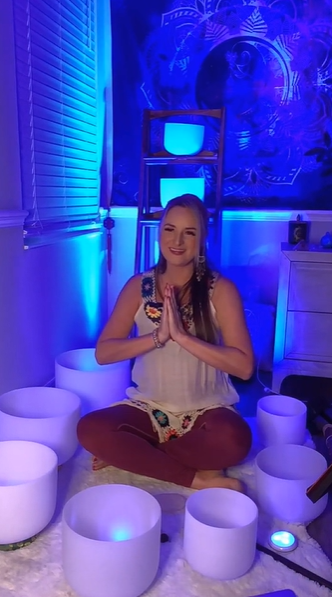
Singing bowls, conversely, are typically larger, beautifully crafted metal or crystal bowls that produce rich, sustained overtones when played with a mallet or rubbed around their rim. Originating from ancient traditions in Asia, these bowls create a captivating, immersive sound bath experience that envelops the listener in a cascade of harmonious vibrations.
Unlike the localized application of tuning forks, singing bowls are used to create a broader energetic field, promoting full-body relaxation and systemic harmonization. Their deep, resonant tones help shift brainwave states from active beta to relaxed alpha or meditative theta, facilitating profound stress reduction, emotional release, and spiritual connection. The pervasive vibrations encourage cells to relax and reset, making them ideal for meditation, sound baths, and general energetic clearing of a space or a person's aura.
Key Differences: Targeting vs. Immersion
The primary distinction between tuning forks and singing bowls lies in their application and energetic reach. Tuning forks are like energetic scalpels – precise, focused, and ideal for specific, targeted work on individual energy points or localized areas of discord. They offer a direct, potent vibrational input that can quickly shift a specific frequency.
Singing bowls, on the other hand, are like energetic blankets – they create an expansive, resonant field that washes over the entire being, promoting holistic relaxation and systemic rebalancing. Their strength is in fostering a state of deep, sustained calm and facilitating a broader energetic integration. While forks offer precision, bowls offer immersion. Choosing between them often comes down to whether you seek specific energetic adjustments or a more general, pervasive state of peace.
Which is Right for Your Energy Healing Journey?
Deciding between tuning forks and singing bowls depends largely on your personal needs and preferences. If you're dealing with specific energetic blockages, localized pain, or wish to focus on individual chakras or acupuncture points, tuning forks might be your preferred tool. Their portability and discreet nature also make them suitable for quick energetic tune-ups or personal self-care on the go.
If your goal is deep relaxation, stress reduction, emotional release, or a profound meditative experience, singing bowls offer an unparalleled immersive journey. They are wonderful for creating a sacred space, leading group meditations, or simply unwinding after a long day. Many practitioners also find that combining both tools offers a comprehensive approach, using forks for targeted work and bowls for overall integration and grounding. Ultimately, listening to your intuition about which sound calls to you most strongly is often the best guide.
Frequently Asked Questions
Can I use tuning forks and singing bowls together?
Yes, absolutely! Many practitioners find that combining tuning forks for precise, targeted work (e.g., on specific chakras) with singing bowls for overall energetic integration and deep relaxation creates a comprehensive and highly effective sound healing experience. They complement each other beautifully.
Are tuning forks or singing bowls better for beginners?
Both can be beginner-friendly. Tuning forks are easier to learn for targeted use on specific points, while singing bowls can be easily played to create a calming atmosphere. For personal use, experimenting with both to see what resonates with you is recommended.
Do I need training to use these tools for healing?
While you can use both for personal relaxation and basic energetic clearing without formal training, professional energy healing work with these tools benefits greatly from instruction. Learning about frequencies, chakra systems, and proper techniques enhances safety and effectiveness.
What's the difference between crystal and metal singing bowls?
Crystal singing bowls, typically made of quartz, produce a purer, more ethereal tone often associated with specific chakras. Metal singing bowls (Himalayan bowls), made of various alloys, offer richer, more complex overtones and often feel more grounding. Both are powerful healing tools.
Can sound healing replace traditional medical treatment?
No, sound healing is a complementary therapy and should not replace conventional medical treatment or advice. It works alongside traditional medicine to support overall well-being, reduce stress, and enhance the body's natural healing capabilities. Always consult your doctor for medical concerns.