 Michelle Hummel
TL;DR — Tuning forks deliver pinpoint, single-frequency acoustic vibration ideal for physical acupoints, dense energetic knots, and targeted meridian alignment. Singing bowls produce layered, multi-harmonic overtones that envelop the entire auric field, calming nervous systems and facilitating deep meditative trances. Choosing between them depends on whether you seek surgical energetic precision or immersive full-body resonance.
What Is the Core Difference Between Tuning Forks and Singing Bowls?
When stepping into vibrational sound therapy, both tuning forks and singing bowls immediately capture our curiosity. At a foundational level, both tools operate on the principle of sympathetic resonance—the physical phenomenon where one vibrating object transfers its frequency to another. However, the acoustic geometry and energetic delivery of each instrument could not be more distinct.
Tuning forks are engineered instruments of acoustic precision. Crafted from medical-grade aluminum or steel, they emit pure, coherent sine waves calibrated to exact frequencies, such as 528 Hz or 128 Hz. When activated, a tuning fork focuses vibration through a concentrated stem or specific field radius, acting much like a laser of restorative frequency. They generate virtually zero overtones, maintaining an unyielding single pitch that pierces energetic stagnancy with remarkable clarity.
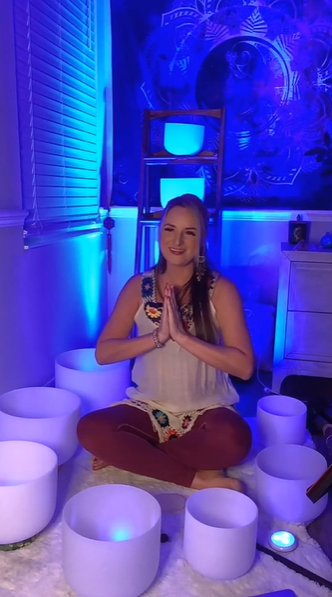
Singing bowls—whether hand-hammered Tibetan bronze or pure quartz crystal—produce an entirely different acoustic landscape. When struck or sung around the rim, a bowl releases a fundamental tone accompanied by rich, swirling overtones and harmonics. Rather than a laser beam, a singing bowl behaves like a gentle ocean wave. Its multifaceted acoustic envelope bathes your subtle auric field, grounding chaotic thoughts and offering an expansive container for mental and spiritual release.
How Do Tuning Forks Target Subtle Energy Pathways?
Tuning forks excel in micro-energetic work, making them beloved by acupuncturists, reiki practitioners, and somatic therapists. Because subtle energy moves through intricate nadis and meridians, energetic blockages can sometimes form in concentrated clusters. Tuning forks allow you to address these specific nodes with surgical intention.
Practitioners commonly categorize tuning forks into weighted and unweighted styles. Weighted tuning forks feature circular weights on the ends of their prongs, converting acoustic sound into pronounced kinetic vibration. By placing the stem directly on bone, joint landmarks, or acupressure points, the physical vibration travels deep into the fascial matrix, releasing emotional trauma stored within bodily tissue. This direct somatic contact stimulates nitric oxide production and recalibrates local cellular rhythm.
Unweighted tuning forks, conversely, vibrate at higher audible pitches and are swept slowly through the biofield. Moving an unweighted fork through an individual's auric boundary can quickly reveal where energy feels sluggish, tinny, or turbulent. The practitioner uses the clear tone of the fork to smooth out energetic ripples, effortlessly restoring coherent frequency to localized stagnation.
Why Are Singing Bowls Superior for Full-Body Relaxation?
If tuning forks are the scalpels of sound healing, singing bowls are the comforting warm blanket. When a room fills with the deep, sonorous reverberations of a singing bowl, the brain undergoes a profound shift in brainwave activity. Within minutes, rapid beta brainwaves associated with daily stress drop into deeply tranquil alpha and theta states, creating conditions where spontaneous emotional healing thrives.
Tibetan singing bowls, traditionally forged from seven sacred metals, offer complex binaural beats naturally generated by subtle acoustic friction. These shifting pulsations entrain the parasympathetic nervous system, signaling the vagus nerve that you are completely safe. The body responds by lowering heart rate, slowing respiration, and disarming fight-or-flight defensive postures.
Quartz crystal singing bowls amplify this effect through sheer acoustic amplitude and light-coded purity. Composed of pure silica, crystal bowls resonate with the liquid crystal structures within human bones, blood, and cell membranes. A single stroke of a large crystal bowl generates a panoramic physical sensation that wraps around the listener, dissolving the boundary between physical self and ambient space.
Which Tool Clears and Balances Chakras More Effectively?
Choosing the best tool for chakra balancing comes down to the nature of your current energetic imbalance. Chakras are not static wheels; they are dynamic energy vortexes that can be either congested, deficient, or overstimulated. Each instrument addresses these conditions through different vibrational mechanics.
Singing bowls are unmatched for overall chakra alignment and grounding scattered centers. Because each bowl is traditionally keyed to a specific chakra note—such as C for the Root, F for the Heart, or B for the Crown—playing a sequenced set allows energy to flow vertically along the central sushumna nadi. The broad harmonic overtones gently shake loose accumulated debris across multiple chakras at once, harmonizing how the energy centers speak to one another.
Tuning forks, on the other hand, shine when a single chakra exhibits a stubborn, chronic imbalance. If your throat chakra holds silenced expression or your solar plexus holds unresolved boundary issues, a tuning fork keyed to that specific frequency can break up dense energetic static without disturbing the surrounding energy centers. It provides an intense, micro-targeted energetic dialogue that invites the specific chakra to remember its natural resonance.
How Can You Combine Both Tools for Deeper Healing?
You do not need to choose between these two sacred tools; in fact, pairing them often yields the most transformative therapeutic breakthroughs. Experienced sound practitioners frequently weave tuning forks and singing bowls together into a cohesive energetic protocol that addresses both the macro and micro layers of the body.
A typical hybrid sound therapy session begins with singing bowls. Using a grounding bronze or large crystal bowl, the practitioner creates an acoustic cradle that calms the client's analytical mind and relaxes defensive muscular guarding. Once the recipient sinks into a restful theta state and their auric field softens, the practitioner transitions to tuning forks.
With the energetic body relaxed and receptive, the practitioner brings unweighted tuning forks into the biofield or places weighted stems onto meridian points to work through localized tension. Finally, the session closes by circling back to the rich, warm drones of singing bowls, sealing the auric field, integrating the shifts, and gently anchoring the client back into their waking body.
How Do You Choose the Best Sound Tool for Your Needs?
When deciding which vibrational tool to invite into your personal practice or client work, consider your practical environment, energetic intentions, and daily lifestyle. There is no universally superior choice—only the right ally for your present calling.
Select tuning forks if portability, precision, and physical touch matter most to you. Tuning forks slide easily into a bag, require zero setup space, and work discreetly in shared living spaces without disturbing family or neighbors. They are ideal if you enjoy exploring acupressure, clearing specific physical aches, or performing detailed auric sweeps. They also serve as an economical, accessible entry point into vibrational sound science.
Select singing bowls if your primary desire is deep meditation, atmospheric cleansing, or group sound baths. Singing bowls are unmatched for transforming the energetic atmosphere of an entire room or sanctuary. If you crave enveloping sensory sound that facilitates surrender, visualization, and emotional catharsis, investing in a quality crystal or hammered metal bowl will become the cornerstone of your spiritual sanctuary.
Frequently Asked Questions
Are crystal singing bowls more powerful than metal singing bowls?
Neither is inherently more powerful; they serve different purposes. Crystal bowls produce intense, pure acoustic volume that quickly shifts room energy, while traditional metal bowls generate layered, earthy overtones that provide grounding and soothe overstimulated nervous systems.
Can beginners safely use weighted tuning forks at home?
Yes, weighted tuning forks are remarkably safe and intuitive for personal use. Simply strike the fork on a rubber activator and rest the stem against your collarbone, sternum, or tight shoulder muscles to relieve tension and cultivate calm.
Do tuning forks work on physical body pain or just energetic fields?
Weighted tuning forks work directly on physical pain. By applying their vibrating stems to joints, tendons, and tight fascia, they stimulate local blood circulation, relax knotted muscles, and support natural pain relief pathways alongside energetic alignment.
Which instrument is better for balancing overactive chakras?
Singing bowls are generally superior for overactive chakras. Their warm, expansive overtones diffuse excess, frenetic energy across the biofield, whereas the intense focus of a tuning fork might feel too stimulating for an already inflamed chakra.