 Michelle Hummel
TL;DR — Tuning forks deliver focused, single-frequency vibrations ideal for unblocking specific meridians and relieving localized physical tension. Singing bowls create rich, multi-tonal soundscapes that envelope the entire aura, making them unmatched for deep meditation, nervous system regulation, and spatial energy clearing. Choose forks for targeted acupressure and bowls for ambient immersion.
How Does Sound Therapy Actually Heal the Subtle Body?
Sound healing operates on a timeless energetic principle: every cell, organ, and energy center in our body vibrates at a natural resonant frequency. When chronic stress, trauma, or physical ailments disrupt this equilibrium, our vibrational field becomes discordant. Therapeutic sound acts as an acoustic tuning device, using pure vibrations to guide chaotic energy patterns back into harmonic alignment through a phenomenon known as entrainment.
During a sound therapy session, rhythmic frequencies encourage erratic brainwaves to shift from the hyperactive beta state into tranquil alpha and theta rhythms. In this deeply receptive state, the parasympathetic nervous system engages, blood pressure softens, and stored emotional blockages begin to loosen within the subtle energetic body.
Both tuning forks and singing bowls serve as sacred conduits for this restorative energy. While they both harness resonance and acoustic vibration to clear stagnant energy fields, the precise way they deliver these frequencies creates two distinctly transformative healing experiences.
What Makes Tuning Forks Unique for Targeted Energy Healing?
Tuning forks are celebrated for their scientific precision and laser-focused energy delivery. Typically calibrated to specific, pure Hertz frequencies—such as the transformative 528 Hz "Miracle Tone" or the stabilizing 136.1 Hz Ohm frequency—tuning forks emit a clear, unwavering single pitch. Because their vibrational signature is so concentrated, they allow practitioners to target subtle energy pathways with surgical accuracy.
In energy medicine, tuning forks fall into two primary categories: weighted and unweighted. Unweighted forks ring with a brighter, audible pitch and are usually swept through the biomagnetic field (the aura) to smooth out energetic static and identify subtle disruptions. Weighted forks, by contrast, feature small cylindrical weights on their tines that translate acoustic sound into potent kinetic vibration. When placed directly on bone joints, acupressure points, or chakra nodes, weighted forks transmit gentle, micro-massaging shockwaves deep into tissue.
This physical transmission makes tuning forks an extraordinary bridge between sound therapy and somatic bodywork. If you suffer from stubborn physical trigger points, localized muscle spasms, or energetic congestion within a specific meridian line, tuning forks offer an intimate, pinpointed modality that unblocks energetic stagnation at its exact source.
Why Are Singing Bowls the Go-To Tool for Immersive Sound Baths?
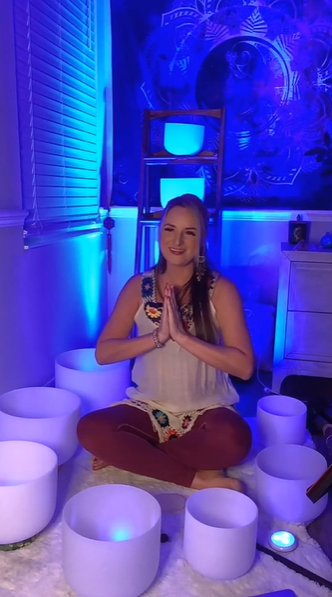
Where tuning forks behave like precision acoustic needles, singing bowls act like warm, enveloping ocean waves. Singing bowls—whether hand-hammered from traditional multi-metal Himalayan alloys or spun from high-purity quartz crystal—produce an intricate tapestry of fundamental notes and complex harmonic overtones. As the mallet circles the bowl's rim, the sound blossoms, filling the surrounding room with a multi-layered acoustic field.
This rich harmonic complexity is precisely why singing bowls are the centerpiece of communal sound baths and personal meditation altars. The brain finds it delightfully impossible to track every oscillating layer of a singing bowl's overtones, causing the analytical mind to quickly surrender its chatter. Within minutes, listeners often experience floaty, twilight meditative states where spontaneous emotional release, spiritual insight, and deep peace naturally occur.
Beyond mental serenity, singing bowls possess profound aura-clearing and space-clearing capabilities. Striking a large bowl sends rolling acoustic shockwaves through the air that wash over your entire biofield at once, shaking loose lingering environmental stress and stagnant spiritual debris from both your body and your sacred living space.
Tuning Forks vs Singing Bowls: How Do They Differ in Practice?
Understanding the practical differences between these instruments helps demystify which tool aligns with your daily rituals and energetic intentions. The first major distinction lies in application: tuning forks are predominantly personal, tactile, and targeted, whereas singing bowls are immersive, ambient, and acoustic. A tuning fork requires close proximity to your ears or direct contact with your physical body to deliver its magic, while a single singing bowl can easily shift the vibrational energy of an entire yoga studio.
Portability and convenience also draw a clear line between the two. Tuning forks are lightweight, compact, and virtually indestructible, easily slipping into a purse, backpack, or carry-on bag for on-the-go grounding during travel or busy workdays. Crystal singing bowls, while stunningly resonant, are fragile, heavy, and demand careful transportation, and even durable Himalayan metal bowls require dedicated floor or altar space.
Finally, the sensory experience varies substantially. Singing bowls produce an audible, resonant sanctuary that engages the ears and envelopes the aura from without. Tuning forks, particularly weighted models, deliver an internal sensory experience where physical vibration travels straight through skeletal structure and fascia, grounding you deeply into the present moment.
Can You Combine Tuning Forks and Singing Bowls in One Session?
Rather than viewing these two sacred sound instruments as competitors, many intuitive healers weave them together to craft deeply restorative energetic journeys. Combining them allows you to harness the macro-clearing breadth of singing bowls alongside the micro-balancing focus of tuning forks, creating a balanced and holistic protocol for total rejuvenation.
A harmonious session often begins with singing bowls. Striking or singing an energetic bowl clears the room's atmosphere, settles the recipient's restless nervous system, and opens the overarching auric field to prepare it for healing work. The broad harmonics soften energetic resistance and induce a state of effortless receptivity.
Once the client or meditator settles into deep alpha relaxation, the practitioner introduces tuning forks. The forks can be swept through specific chakra locations to clear persistent static or placed directly onto reflexology points, tight shoulders, or the sacrum to release dense physical trauma. To conclude, a soft strike on a grounded grounding bowl or chime gently seals the aura, leaving the energetic system refreshed, integrated, and completely centered.
Which Tool Should You Choose for Your Personal Healing Journey?
Choosing between tuning forks and singing bowls ultimately comes down to your personal healing goals, lifestyle, and how you naturally process sensory energy. If your primary longing is for meditative escape, stress relief, and creating a tranquil domestic sanctuary, a singing bowl is an intuitive, deeply rewarding companion. Crystal singing bowls resonate beautifully for intentional chakra work, while antique Himalayan bowls offer grounding warmth that dissolves mental exhaustion after demanding days.
Conversely, if your path leans toward acupressure, somatic healing, physical recovery, or targeted chakra balancing, invest in a quality set of tuning forks. They are especially wonderful for massage therapists, energy workers, and practitioners who desire targeted therapeutic tools that travel effortlessly without occupying massive space or demanding complex acoustic settings.
Listen closely to what your intuition whispers. Whether you are drawn to the focused, laser-like frequency of a silver fork or the swirling, ancient resonance of a singing bowl, both pathways lead to the same sacred destination: harmonious alignment, energetic vitality, and lasting inner peace.
Frequently Asked Questions
Are crystal singing bowls better than metal singing bowls?
Neither is inherently better; they offer distinct energetic vibrations. Crystal bowls produce loud, pure, single notes that intensely activate specific chakras. Himalayan metal bowls produce complex, multi-layered overtones that provide deeper grounding, physical calmness, and gentle emotional soothing suitable for holistic relaxation.
Can beginners use tuning forks at home without professional training?
Yes, beginners can safely use tuning forks at home. Start with a classic Ohm (136.1 Hz) weighted fork placed against your sternum or knees for grounding, or sweep an unweighted 528 Hz fork around your aura. Gentle exploration requires only presence and mindful intention.
What is the difference between weighted and unweighted tuning forks?
Weighted tuning forks feature small discs on the tines that produce deeper, tactile physical vibrations designed for direct contact with the body, bones, and meridian points. Unweighted forks produce higher-pitched, longer-lasting audible tones designed for auric field clearing and sound healing meditation.
Which instrument works better for relieving chronic physical pain?
Weighted tuning forks are generally superior for chronic localized physical pain. Because you place the vibrating stem directly onto painful joints, tendons, or acupressure points, the mechanical vibrations stimulate blood flow, relax constricted fascia, and relieve localized tension far more directly than singing bowls.