 Michelle Hummel
TL;DR — Tuning forks offer precise, targeted energy work, ideal for specific imbalances, while singing bowls create immersive, expansive vibrations for holistic relaxation and energetic rebalancing. Both utilize sound for healing, but their application and energetic impact differ significantly, making the 'better' choice dependent on individual needs and desired outcomes.
What is Sound Healing and Why Does it Matter?
Sound healing, an ancient practice gaining modern recognition, is based on the principle that everything in the universe, including our bodies, vibrates at specific frequencies. When we experience stress, illness, or emotional blockages, these vibrations can become imbalanced. Sound healing utilizes specific frequencies and harmonic tones to help restore the body's natural energetic balance, promoting relaxation, reducing pain, and facilitating emotional release.
At its core, sound healing works by entrainment—the process where one rhythmic object or vibration causes another to synchronize with it. In this context, the consistent, pure tones of instruments like tuning forks and singing bowls can guide the body's own vibrational frequencies back into a state of harmony. This isn't just a New Age concept; scientific research increasingly supports the physiological and psychological benefits of sound therapy, from lowering blood pressure to improving mood.
The Precision of Tuning Forks: Targeted Vibrational Therapy
Tuning forks are small, two-pronged metal instruments that, when struck, produce a single, pure musical tone at a very specific frequency. These frequencies are often associated with particular chakras, organ systems, or even planetary energies. Practitioners use tuning forks by activating them and holding them near or directly on specific points of the body, or within the energy field.
The key advantage of tuning forks lies in their precision. They allow for highly targeted application, making them excellent for addressing localized pain, specific energetic blockages, or balancing individual meridians or chakra points. For example, a fork tuned to the frequency of the heart chakra can be used to open and balance that energy center, while another might be used for muscle relaxation or bone healing. Their portability and ease of use also make them a popular choice for personal practice and professional sessions alike.
The Immersive Embrace of Singing Bowls: Holistic Resonance
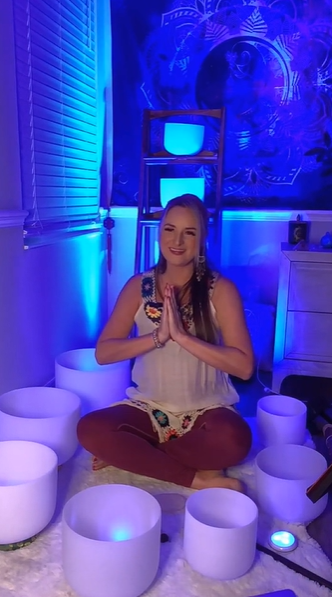
Singing bowls, typically made of metal alloys (Tibetan bowls) or quartz crystal, produce rich, resonant, and multi-tonal sounds when played by striking or circling their rims with a mallet. Unlike the singular note of a tuning fork, singing bowls create a complex symphony of overtones and undertones that fill the entire space, creating an immersive sound bath experience.
This expansive sound and vibration are what make singing bowls so effective for holistic healing. They are used to create a deeply relaxing atmosphere, promote meditation, reduce anxiety, and encourage a general sense of well-being. The vibrations from singing bowls can penetrate deeply into the body, helping to release tension, stimulate circulation, and re-harmonize the entire energetic system. They are often placed on or around the body during a session, allowing the recipient to directly absorb the therapeutic vibrations.
Energetic Impact: How Do They Differ?
While both tuning forks and singing bowls employ sound and vibration for healing, their energetic impact differs significantly. Tuning forks offer a more 'surgical' approach; their focused, pure tone is excellent for precise energetic adjustments. Think of them as energy acupuncture needles, addressing specific points with concentrated vibrational input. They can help to break up stagnation, realign subtle energy pathways, and bring a particular area into balance.
Singing bowls, on the other hand, provide a more 'bath-like' or 'massage-like' experience. Their rich, sustained vibrations create a field of resonance that envelops the entire being. This promotes a deep state of relaxation, allows for general energetic cleansing, and facilitates a more generalized rebalancing across the whole system. They are ideal for stress reduction, emotional release, and fostering a sense of interconnectedness and peace.
Which Tool is Right for Your Healing Journey?
Choosing between tuning forks and singing bowls largely depends on your specific healing goals and personal preferences. If you're dealing with localized pain, a specific emotional block you can pinpoint, or want to work with precise energetic pathways like chakras or meridians, tuning forks might be your preferred tool. Their directness allows for targeted intervention and observable shifts in specific areas.
If your aim is deep relaxation, stress reduction, overall energetic cleansing, or a more profound meditative experience, singing bowls are likely to be more effective. Their encompassing vibrations are perfect for creating a sacred space, fostering emotional release on a broader scale, and promoting a general sense of harmony throughout the mind, body, and spirit. Many practitioners integrate both tools, using tuning forks for specific work and singing bowls for a foundational, enveloping relaxation.
Combining Forces: The Power of Integration
For many, the most potent healing experience comes from combining the unique strengths of both tuning forks and singing bowls. A session might begin with the immersive sound of singing bowls to induce a state of deep relaxation and open the energetic field, making the recipient more receptive to healing. This 'priming' allows the body and mind to surrender, preparing the ground for deeper work.
Following this, tuning forks can be introduced to address specific areas of imbalance or blockages that become apparent during the initial relaxation phase. For example, once the body is relaxed, a practitioner might use a tuning fork to clear a congested chakra or soothe a tense muscle group. The session could then conclude with the gentle, resonant hum of singing bowls to integrate the healing work, reinforce the new energetic patterns, and leave the individual in a state of profound peace and alignment. This synergistic approach maximizes the therapeutic benefits, offering both precise intervention and holistic rejuvenation.
Frequently Asked Questions
What is the main difference between tuning forks and singing bowls?
Tuning forks produce single, precise tones for targeted energy work on specific points or issues. Singing bowls create rich, complex, and immersive vibrations for holistic relaxation, general energetic rebalancing, and deep meditative states.
Are tuning forks or singing bowls better for anxiety relief?
Both can aid anxiety. Singing bowls are often preferred for general anxiety relief due to their immersive, calming vibrations that promote deep relaxation. Tuning forks can address specific energetic imbalances contributing to anxiety with targeted precision.
Can I use tuning forks and singing bowls for self-healing?
Yes, both can be used for self-healing. Tuning forks require some understanding of energy points or chakras. Singing bowls are generally easier for beginners to use for relaxation, meditation, and creating a calming personal environment.
Do I need training to use these instruments?
While you can self-learn basic techniques, formal training is recommended for deeper therapeutic application, especially with tuning forks. For singing bowls, understanding how to play them effectively for sound baths enhances their benefits, but simple use is accessible.
Which is more effective for physical pain relief?
Tuning forks are often more effective for localized physical pain due to their ability to direct specific frequencies to the affected area. Singing bowls can offer generalized pain relief by promoting deep relaxation and reducing overall body tension.