 Michelle Hummel
TL;DR — Sound baths effectively reduce cortisol and anxiety by promoting deep relaxation. The therapeutic frequencies induce a meditative state, shifting the nervous system from 'fight or flight' to 'rest and digest.' This physiological change decreases stress hormones, calms neural pathways, and fosters a profound sense of peace and well-being, offering a natural pathway to emotional balance.
What's the Buzz About Sound Baths for Stress?
In our fast-paced world, finding moments of calm can feel like a luxury. Yet, the persistent hum of stress often leaves us feeling depleted and on edge. Many are now turning to ancient, holistic practices for relief, and sound baths are emerging as a powerful antidote. This immersive experience, where participants are bathed in therapeutic sound vibrations, offers a unique pathway to profound relaxation and healing.
But is it just a feel-good trend, or is there scientific grounding to its claims? The growing body of anecdotal evidence and emerging research suggests that sound baths do more than just help you unwind. They actively engage your body's physiological responses, offering a natural and non-invasive method to combat the ubiquitous culprits of modern malaise: high cortisol and chronic anxiety.
How Does Chronic Stress Affect Our Body and Mind?
Before we dive into sound baths, let's understand the enemy: chronic stress. When we experience stress, our adrenal glands release cortisol, often called the 'stress hormone.' In short bursts, cortisol is vital, helping us respond to immediate threats (the 'fight or flight' response). However, prolonged stress keeps cortisol levels elevated, leading to a cascade of negative effects throughout the body.
High cortisol can disrupt sleep, impair immune function, contribute to weight gain, increase blood pressure, and even impact cognitive function, leading to 'brain fog' and difficulty concentrating. Coupled with this, chronic anxiety becomes a constant companion, manifesting as persistent worry, restlessness, and physical tension. This sustained state of heightened alert drains our energy and diminishes our overall quality of life, making effective stress reduction not just desirable, but essential for well-being.
The Science of Sound: How Frequencies Induce Calm
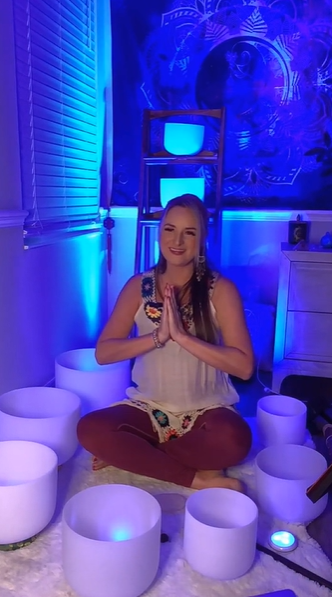
Sound baths utilize specific frequencies and resonant tones produced by instruments like Himalayan singing bowls, crystal singing bowls, gongs, chimes, and tuning forks. These vibrations travel through the air and are not only heard by our ears but also felt throughout our bodies. Our bodies are largely made of water, a fantastic conductor of sound, allowing these frequencies to resonate deeply within our cells.
At a physiological level, these therapeutic sounds are believed to induce a state of deep relaxation by shifting our brainwave patterns. Typically, our waking state is dominated by Beta waves. During a sound bath, the brain can transition into Alpha (relaxed awareness) and Theta (deep relaxation, meditation, light sleep) wave states. This shift is crucial because it signals to our nervous system that it's safe to switch from the sympathetic (fight or flight) to the parasympathetic (rest and digest) state, initiating the body's natural healing and recovery processes.
Reducing Cortisol Levels Through Vibrational Therapy
The direct impact of shifting into a parasympathetic state is a tangible reduction in stress hormones, particularly cortisol. When your body enters this profound state of relaxation during a sound bath, the adrenal glands receive signals to decrease cortisol production. Studies on sound and music therapy have shown participants experiencing lower levels of cortisol after sessions, indicating a direct physiological benefit.
This reduction isn't just a temporary reprieve; consistent exposure to these calming frequencies can help reset the body's stress response over time. By regularly engaging the parasympathetic nervous system, sound baths can contribute to a more balanced hormonal profile, leading to improved mood, better sleep quality, and enhanced resilience against daily stressors. It's a gentle yet powerful way to bring your body back into equilibrium.
Soothing Anxiety: The Emotional and Mental Benefits
Beyond the hormonal regulation, sound baths offer significant relief from anxiety by calming the mind and fostering emotional release. The immersive soundscape provides a focal point for attention, naturally drawing the mind away from anxious thoughts and worries. This focused listening acts as a form of mindfulness meditation, grounding participants in the present moment.
Many report feeling a profound sense of peace and a release of pent-up emotional tension during or after a sound bath. The vibrations can help dissolve energetic blockages and promote emotional fluidity, allowing for a healthy processing of feelings that might otherwise contribute to anxiety. The safe, nurturing environment created by the sounds can also lead to a feeling of security and well-being, diminishing feelings of dread or panic often associated with anxiety disorders. It’s an invitation to simply be, without the pressure of needing to do anything.
Integrating Sound Baths into Your Wellness Routine
To truly harness the benefits of sound baths for cortisol and anxiety reduction, consistency is key. Just like any wellness practice, a single session can provide immediate relief, but regular engagement deepens its impact. Consider attending sound bath sessions weekly or bi-weekly, or explore incorporating personal sound tools like a small singing bowl or tuning fork into your daily meditation practice.
Complementing sound baths with other stress-reducing activities, such as mindful movement, deep breathing exercises, and spending time in nature, can amplify their effects. Pay attention to how your body and mind respond, and adjust your routine accordingly. Embrace sound baths not as a quick fix, but as a dedicated practice that nurtures your nervous system, balances your hormones, and empowers you to navigate life with greater calm and resilience.
Frequently Asked Questions
How quickly can sound baths reduce cortisol?
Many individuals report feeling immediate relaxation during a sound bath, which signals a shift in the nervous system. This shift rapidly decreases cortisol production. While one session offers relief, consistent practice can lead to sustained lower cortisol levels over time, improving overall stress response.
Are sound baths scientifically proven to help anxiety?
While research is still emerging, studies show that sound and music therapy can significantly reduce anxiety and promote relaxation. The physiological changes, such as brainwave shifts and decreased heart rate, support its efficacy in calming the nervous system, thereby alleviating anxiety symptoms.
What should I expect during a sound bath session?
You'll typically lie down comfortably, often with blankets and props, while a practitioner plays various instruments like singing bowls and gongs. The experience is immersive, with sounds washing over you. Most people enter a deep meditative or relaxed state, sometimes even falling into a light sleep.
How often should I attend sound baths for optimal results?
For optimal results in reducing cortisol and anxiety, a consistent practice is recommended. Many people find weekly or bi-weekly sessions to be beneficial. However, even occasional sessions can provide significant relief and contribute to overall well-being, helping to reset your stress response.
Can I experience a sound bath at home?
Yes! While in-person sessions offer a powerful group energy, you can experience elements of a sound bath at home. Many practitioners offer high-quality recordings, guided meditations with sound, or you can purchase your own small singing bowl to incorporate sound healing into your personal relaxation routine.