 Michelle Hummel
TL;DR — Sound baths reduce cortisol and soothe anxiety by triggering the parasympathetic nervous system through brainwave entrainment. Resonant frequencies from instruments like crystal bowls guide overstimulated beta brainwaves into calming alpha and theta states, downregulating the HPA axis, slowing heart rate, and restoring biological balance without requiring active meditation effort.
What Happens to Your Body During a Sound Bath?
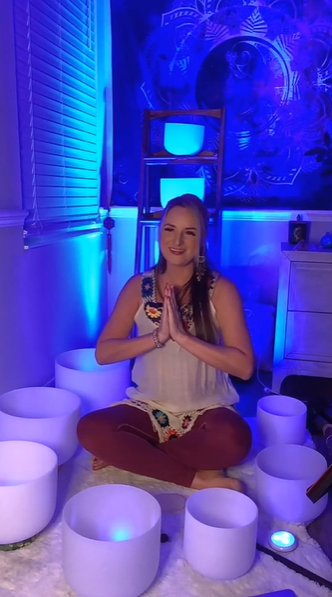
When you step into a sound bath, you are not simply listening to music; you are immersing your entire physical form in targeted vibrational frequencies. You lie comfortably on a mat, cocooned in blankets, while a sound practitioner plays resonant instruments such as Tibetan singing bowls, quartz crystal bowls, chimes, and gongs. Unlike melodic songs that demand cognitive interpretation, these ambient, sustained acoustic tones bypass the analytical mind, gently commanding the sensory system to soften its hyper-vigilance.
Within minutes of the first harmonic resonance, your autonomic nervous system begins to reorient itself. The body constantly scans its environment for acoustic markers of safety or danger. The predictable, soothing, and non-linear patterns of acoustic bowls signal total safety to the amygdala, the brain's emotional threat center. As the brain recognizes that no defense is required, your respiration deepens naturally, peripheral blood vessels dilate, and muscular tension around the jaw, shoulders, and diaphragm dissolves.
This shift moves you out of sympathetic dominance—commonly known as the fight-or-flight reflex—and activates the parasympathetic rest-and-digest response. As your biological systems realize there is no impending crisis, energy shifts toward cellular repair, digestive replenishment, and internal equilibrium. It is a profound somatic reset that feels less like intentional mental work and more like surrendering to a warm, sonic embrace.
How Does Acoustic Vibration Lower Cortisol Levels?
Cortisol, often dubbed the primary stress hormone, is secreted by your adrenal glands in response to signals sent along the hypothalamic-pituitary-adrenal (HPA) axis. In our modern, notification-heavy world, the HPA axis rarely switches off completely, leaving many people in a state of low-grade, chronic hypercortisolemia. Over time, elevated cortisol disrupts circadian rhythms, suppresses immune defense, and keeps the emotional mind tethered to irritability and dread.
Sound therapy directly interrupts this hormonal cascade. Clinical studies measuring salivary biomarkers before and after sound meditation have documented significant drops in both cortisol and alpha-amylase, an enzyme correlated with sympathetic nervous system stress. The pure tones generated by crystal and brass singing bowls initiate a feedback loop through auditory and mechanoreceptive pathways. By decreasing perceived acoustic stress, the hypothalamus reduces its production of corticotropin-releasing hormone (CRH), signaling the adrenals to halt excess cortisol release.
Beyond neuroendocrine changes, sound waves physically travel through fluid, and since the human body is roughly sixty percent water, these frequencies deliver a gentle micro-massage to internal tissues. This somatic downshifting helps clear systemic inflammation caused by chronic stress. Participants often arise from a sound session feeling physically lighter and biologically decongested, as if their endocrine system has finally been given permission to recalibrate.
Why Do Sound Frequencies Shift Anxious Brainwaves?
Anxiety is neurochemically mirrored by hyperactive brainwave activity. When your mind is racing through worst-case scenarios, your brain operates predominantly in high-frequency beta waves (ranging between 15 and 30 Hertz). Beta waves are essential for quick problem-solving and alert focus, but lingering in this state without pause induces mental fatigue, panic sensations, and cognitive tunnel vision.
Sound baths leverage a natural neurological phenomenon known as brainwave entrainment or the frequency following response. When your auditory system is exposed to stable, low-frequency acoustic vibrations, your brain's electrical pulses synchronize with the external stimulus. Within fifteen to twenty minutes of sonic immersion, hyperactive beta rhythms gently slow into restorative alpha waves (8 to 12 Hertz), which correspond with relaxed presence and daydreams, before settling further into theta waves (4 to 8 Hertz).
Theta is the twilight state of consciousness experienced during deep meditation, hypnotherapy, and REM sleep. In the theta zone, the brain's default mode network (DMN)—the neural circuitry responsible for repetitive rumination, self-criticism, and future-projected anxiety—quietens significantly. By interrupting chronic overthinking at the electrophysiological level, sound baths allow you to touch a deep well of inner stillness that can otherwise take years of disciplined meditation practice to achieve.
What Role Does the Vagus Nerve Play in Sound Healing?
The vagus nerve is the command center of your parasympathetic nervous system, wandering from the brainstem through the neck, heart, and lungs, down into the abdomen. It acts as a physical brake on stress, regulating heart rate variability (HRV), vocal tone, and gut motility. A higher vagal tone reflects a nervous system that can rebound quickly from anxiety, while poor vagal tone leaves you trapped in reactive stress loops.
Sound baths provide an ideal environment for vagal activation. First, the deep, sustained acoustic hum of singing bowls stimulates the auricular branch of the vagus nerve located within the ear canal. Furthermore, low-frequency vibrations penetrate the sternum and chest wall, directly stimulating the cardiac and pulmonary nerve plexuses. This mechanical resonance encourages the vocal cords and diaphragm to relax, eliciting the involuntary sighs and deep belly breaths that characterize vagus activation.
As vagal tone increases during a session, heart rate variability improves. A high HRV indicates flexible, resilient autonomic health, meaning your heart can fluidly adjust between stimulation and recovery. When the vagus nerve fires robustly, it releases acetylcholine, a calming neurotransmitter that halts heart palpitations, slows blood pressure, and sends unambiguous chemical messages of safety directly to the subconscious mind.
Which Instruments Are Most Effective for Relieving Stress?
Not all sound tools function identically; different instruments address distinct layers of stress, tension, and emotional fatigue. Frosted quartz crystal singing bowls, typically tuned to specific musical notes, generate singular, pure sine waves. These pure tones provide clean auditory focal points that are exceptional for calming mental chatter and bringing immediate order to a chaotic, overwhelmed mind.
Himalayan or Tibetan singing bowls, forged from multi-metal alloys, produce rich layers of multiphonic overtones. When multiple harmonious tones chime simultaneously, they generate binaural beats within the listener’s auditory processing centers. These complex overtones stimulate deep somatic grounding, making them particularly effective for those who carry their anxiety as physical knots in the stomach, chest, or throat.
Gongs and ocean drums serve a more cathartic purpose in nervous system care. The wide acoustic spectrum and dynamic wash of a gently played symphonic gong can create an auditory phenomenon called acoustic saturation. When the auditory field is filled with rich, undulating waves of sound, the ego's internal dialogue is momentarily suspended, offering emotional release for buried grief or panic. Ocean drums and wind chimes mimic natural biophilic sounds, tapping into an evolutionary memory where the soothing rustle of water and breeze signifies safety, abundance, and peace.
How Can You Integrate Sound Therapy Into Your Routine?
You do not need to attend an expensive sound studio weekly to reap the cortisol-lowering benefits of acoustic therapy. While in-person group sessions provide a powerful collective resonance and physical vibration through the floor, home-based sound rituals can be remarkably effective for maintenance. High-fidelity audio recordings played through noise-canceling headphones can induce verifiable brainwave entrainment, provided you select uncompressed, organic acoustic recordings rather than synthetic, highly processed tracks.
To build a restorative practice at home, dedicate twenty minutes in the late afternoon or before bed—times when daily cortisol spikes or nocturnal anxieties often peak. Create a quiet sanctuary: dim the lights, recline comfortably with an eye pillow over your brow, and let your body sink into the floor. Give yourself permission to let go of trying to meditate; simply allow your auditory system to track the rise, sustain, and natural decay of each ringing bowl.
For an even deeper somatic release, try adding your own voice to the soundscape. Humming, chanting the sound 'OM', or vocalizing gentle 'voo' sounds alongside singing bowls creates internal vibration that stimulates the vagus nerve directly from within the throat. By combining passive listening with mindful resonance, sound therapy evolves from a passive wellness trend into a lifelong, accessible sanctuary of biological self-regulation.
Frequently Asked Questions
How quickly do sound baths lower cortisol?
Many participants experience a noticeable reduction in stress markers within twenty to thirty minutes. As brainwave entrainment slows neural firing from beta to theta rhythms, the parasympathetic nervous system engages rapidly, dropping salivary cortisol, lowering resting heart rate, and smoothing out erratic breathing patterns before a single sixty-minute session concludes.
Can a sound bath trigger anxiety for beginners?
Occasionally, yes. If your nervous system is accustomed to constant stimulation or hyper-vigilance, sudden silence or intense acoustic vibrations can initially feel disorienting. Unresolved emotions may surface as the brain's defense filters drop. Focusing on slow, grounded exhalations usually helps this initial tension dissolve into profound safety.
Do virtual or recorded sound baths work as well?
Recorded sound baths are effective for brainwave entrainment, particularly when using quality stereo headphones that preserve rich overtones. However, digital tracks lack the tangible, physical vibroacoustic resonance that travels through the room's atmosphere and penetrates bodily tissues, which is a unique benefit of live, in-person sound immersion.
How often should you attend a sound bath for anxiety?
For chronic anxiety and elevated cortisol, attending a live session every two to four weeks offers a substantial biological reset. For daily maintenance, pairing weekly sessions with ten to fifteen minutes of daily headphone-based listening creates sustained neural pathways toward calm, strengthening your overall vagal tone and stress resilience.