 Michelle Hummel
Stress is something we all experience, but have you ever noticed that even after a stressful event has passed, your body can still feel tense, anxious, or exhausted? That''s because stress isn''t only processed in the mind. It also affects the nervous system, which can continue holding onto the physical and emotional effects long after the original experience is over.
Why Your Body Holds Onto Stress
Your nervous system is designed to protect you. When you encounter a challenging situation, your body automatically shifts into "fight, flight, or freeze" mode. Your heart rate increases, your muscles tighten, your breathing becomes shallow, and stress hormones are released to help you respond quickly.
Normally, once the situation has passed, your nervous system returns to a calm, regulated state. However, repeated stress, unresolved emotional experiences, or traumatic events can make it difficult for the body to fully reset. Instead, your nervous system may remain on high alert, leaving you feeling overwhelmed, emotionally reactive, fatigued, or disconnected.
This is why many people experience physical symptoms even when there is no immediate danger. Chronic muscle tension, digestive issues, poor sleep, brain fog, irritability, and difficulty relaxing can all be signs that the nervous system is still carrying the effects of prolonged stress.
The encouraging news is that the nervous system is remarkably adaptable. Through intentional practices, it can learn to feel safe again and gradually return to balance.
Breathwork for Nervous System Regulation
One of the most effective ways to support nervous system regulation is through conscious breathing. Slow, diaphragmatic breathing sends signals to the brain that it is safe to relax, helping activate the parasympathetic nervous system, often called the "rest and restore" response.
Meditation and Awareness
Meditation also helps calm an overactive mind while creating greater awareness of physical sensations and emotional patterns. Over time, regular meditation can improve emotional resilience, reduce stress, and help you respond more calmly to life''s challenges.
Sound Healing for Deep Rest
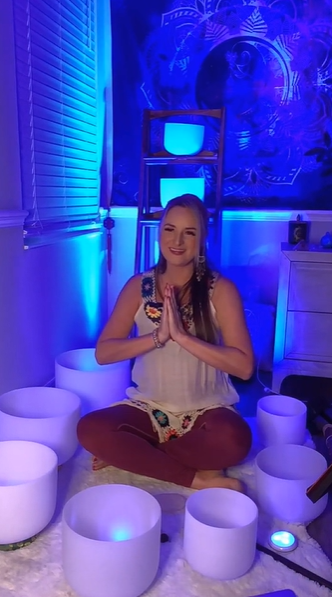
Sound healing offers another gentle approach to nervous system support. The soothing vibrations of crystal singing bowls, chimes, and other healing instruments encourage deep relaxation and may help quiet mental chatter while promoting a greater sense of peace. Many people leave a sound bath feeling lighter, calmer, and more grounded because their nervous system has been given an opportunity to rest.
Movement and Rest
Movement practices such as yoga, stretching, and mindful walking can also help release stored tension. When combined with adequate sleep, healthy relationships, and moments of stillness, these habits create an environment where healing becomes possible.
Healing from stress and trauma is not about "getting over it." It is about teaching your body that it is safe to relax, breathe, and experience life from a place of balance rather than survival. Every small step you take toward nervous system regulation supports not only your physical health, but also your emotional and spiritual well-being.
At My Peace Guru, we believe true healing happens when the mind, body, and spirit are supported together. Through sound healing, meditation, astrology, educational workshops, and a welcoming spiritual community, you''ll find tools that help you reconnect with yourself and create lasting inner peace.
Ready to support your nervous system and continue your healing journey? Join the My Peace Guru Community to access inspiring resources, holistic wellness practices, live events, and a supportive community dedicated to personal growth and transformation.