 Michelle Hummel
TL;DR — Sound baths utilize resonant frequencies to induce a deep meditative state, which has been shown to reduce activation of the sympathetic nervous system and decrease cortisol production. This calms the body's stress response, alleviating anxiety, promoting relaxation, and fostering emotional well-being through vibrational healing.
What Happens in a Sound Bath?
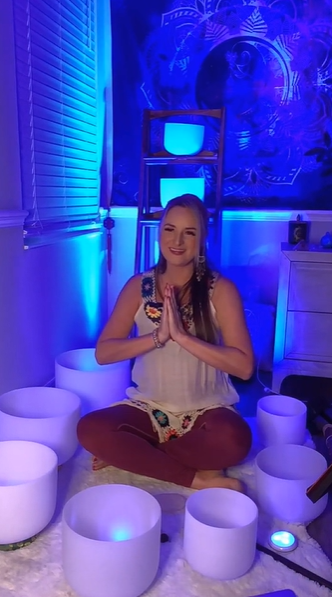
Imagine lying comfortably, eyes closed, as a symphony of gentle, resonant sounds washes over you. This is the essence of a sound bath. Participants are typically immersed in the vibrations produced by instruments like Himalayan singing bowls, crystal singing bowls, gongs, chimes, and tuning forks. The practitioner skillfully plays these instruments, creating a tapestry of frequencies that encourages deep relaxation and a meditative state.
Unlike an active music concert, a sound bath is about passive reception. You don't "do" anything; you simply allow the sounds to permeate your being. This practice has roots in ancient traditions and is now gaining widespread recognition for its profound calming effects. Many describe the experience as a journey, a massage for the soul, or a profound sense of peace washing over them.
The Science of Stress: Cortisol and Your Body
Before we delve into how sound baths help, let's understand what stress does to us. When faced with perceived threats (whether a saber-toothed tiger or a looming deadline), our bodies activate the 'fight or flight' response. Central to this response is the release of cortisol, often called the 'stress hormone,' from the adrenal glands.
Cortisol is essential in short bursts, helping us to focus, manage energy, and respond to immediate dangers. However, chronic stress leads to persistently elevated cortisol levels, which can have detrimental effects on our physical and mental health. High cortisol can disrupt sleep, impair immune function, contribute to digestive issues, increase blood pressure, and, significantly, exacerbate feelings of anxiety and depression. Understanding this physiological link is crucial to appreciating the therapeutic potential of practices like sound bathing.
How Sound Frequencies Affect Your Brainwaves
One of the key mechanisms behind the effectiveness of sound baths lies in their ability to influence our brainwave states. Our brains operate at different frequencies, each associated with distinct states of consciousness. Beta waves are dominant during alert, active thought; Alpha waves are present during relaxed awareness; Theta waves emerge during deep relaxation, meditation, and light sleep; and Delta waves are characteristic of dreamless deep sleep.
During a sound bath, the carefully chosen frequencies and sustained tones from the instruments gently guide your brain from a state of busy Beta waves towards the more relaxed Alpha and Theta states. This process, known as 'brainwave entrainment,' is similar to how a mother's lullaby can soothe a child to sleep. By shifting your brain into these calmer frequencies, sound baths naturally down-regulate the sympathetic nervous system – our fight-or-flight system – and activate the parasympathetic nervous system – our 'rest and digest' system. This shift is critical for reducing physiological stress and anxiety.
Lowering Cortisol Through Vibrational Healing
When your brain enters Alpha and Theta states, and your parasympathetic nervous system is activated, a cascade of beneficial physiological changes occurs. One of the most significant is the reduction in cortisol production. As the body shifts out of a stress response, the adrenal glands receive signals to decrease the output of this potent hormone. This isn't just anecdotal; research is beginning to provide evidence of this physiological shift.
The deep relaxation induced by sound vibrations helps to release tension held in the body, which can also contribute to sustained stress. Imagine your muscles unraveling and your nervous system unwinding. This holistic relaxation, driven by the vibrational resonance, directly impacts hormonal balance, leading to a measurable decrease in cortisol levels over time with regular practice. It's not just about feeling relaxed; it's about altering your body's chemistry towards a state of equilibrium.
Easing Anxiety and Promoting Emotional Balance
Beyond the direct impact on cortisol, sound baths offer a profound pathway for alleviating anxiety and fostering emotional equilibrium. The immersive sonic environment creates a sense of safety and calm, allowing the mind to momentarily disengage from anxious thoughts and worries. Many participants report a feeling of detachment from their everyday concerns, providing a much-needed mental break.
The vibrations themselves can also be deeply soothing, working on a cellular level to release energetic blocks and promote a sense of flow within the body. This can lead to a feeling of emotional release, peace, and even catharsis for some. Regular engagement with sound baths can help cultivate a greater sense of inner resilience, making individuals less reactive to stressors in their daily lives and improving their overall emotional regulation.
Integrating Sound Baths into Your Wellness Routine
For optimal benefits, consider integrating sound baths into your regular wellness routine. While a single session can offer immediate relaxation, consistent practice amplifies the lasting effects. Look for local studios or practitioners offering group sound baths, or explore online resources for guided sound meditations if in-person options aren't available.
Combine sound baths with other stress-reducing practices such as mindful meditation, gentle yoga, and deep breathing exercises. Pay attention to how your body and mind respond after each session. Notice changes in your sleep patterns, mood, and overall sense of well-being. By embracing this ancient yet powerful healing modality, you can actively empower yourself to manage stress, reduce anxiety, and cultivate a deeper, more peaceful connection with your inner self.
Frequently Asked Questions
What exactly is a sound bath?
A sound bath is a therapeutic experience where participants lie down and are immersed in resonant sounds and vibrations produced by instruments like gongs, crystal bowls, and chimes. It's designed to induce deep relaxation and a meditative state.
How do sound baths reduce cortisol?
Sound baths shift brainwave states from alert Beta to relaxed Alpha and Theta, activating the parasympathetic nervous system. This process signals the body to decrease the production of cortisol, the primary stress hormone, fostering physiological calm.
Can sound baths help with chronic anxiety?
Yes, by consistent activation of the parasympathetic nervous system and reducing cortisol, sound baths can significantly alleviate symptoms of chronic anxiety. They provide a safe space for mental and emotional release, cultivating inner peace and resilience.
Are there any side effects to a sound bath?
Sound baths are generally very safe. Some people might experience emotional release, lightheadedness, or slight discomfort initially as tension releases. However, these are typically temporary and indicative of the body's healing process.
How often should I attend a sound bath for benefits?
While even one session can be beneficial, regular practice, such as weekly or bi-weekly, yields the most profound and lasting effects. Consistency helps re-pattern the body's stress response and promote sustained well-being.