 Michelle Hummel
TL;DR — Sound baths leverage therapeutic vibrations from instruments like gongs and singing bowls to induce a meditative state. This deep relaxation activates the parasympathetic nervous system, counteracting the stress response, lowering cortisol production, and alleviating anxiety by promoting brainwave states associated with rest and healing.
The Modern Stress Epidemic: Why We Need a Calming Solution
In today's fast-paced world, stress has become an unwelcome constant. Deadlines, digital overload, and the demands of daily life often leave us feeling perpetually on edge. This isn't just a mental state; it's a physiological one, marked by the release of cortisol, our body's primary stress hormone. While essential for fight-or-flight, chronic elevated cortisol can wreak havoc on our health, contributing to anxiety, poor sleep, weakened immunity, and even weight gain. Recognizing the insidious nature of this stress epidemic, many are seeking holistic, non-pharmacological ways to regain inner peace.
Traditional stress reduction techniques like meditation and yoga are invaluable, but for some, the active focus required can be challenging. This is where the passive yet profound experience of a sound bath offers a unique pathway to tranquility. It invites you to simply lie back, close your eyes, and allow the vibrations to do the work, offering a deeply restorative escape from the endless cycle of stress.
What Exactly is a Sound Bath, and How Does it Work?
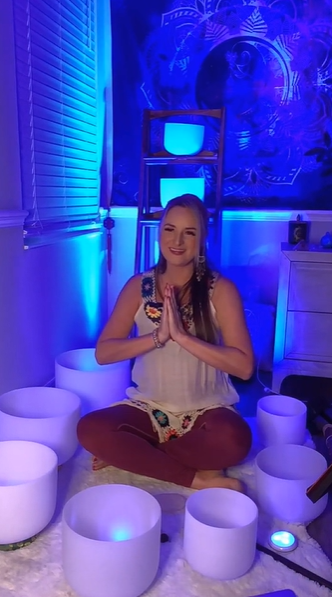
A sound bath is a deeply immersive, full-body meditative experience where participants are 'bathed' in therapeutic sound waves produced by various instruments. Typically, these include Himalayan singing bowls, crystal singing bowls, gongs, chimes, tuning forks, and sometimes even vocal toning or shamanic drumming. Unlike a musical performance, the focus isn't on melody or rhythm but on the sustained, resonant tones and vibrations that wash over and through the body.
The process is simple: participants lie comfortably on a mat or blanket, often with eyes closed, and allow themselves to relax deeply. The sound practitioner then plays the instruments, creating an intricate tapestry of sound that permeates the space. These vibrations are believed to entrain brainwaves, shifting them from the active beta state (associated with alertness and focus) to the calmer alpha (relaxed awareness) and theta (deep relaxation, meditation) states, and sometimes even delta (deep sleep), facilitating a profound state of rest and healing.
The Science of Serenity: How Sound Vibrations Affect Your Brain and Body
The profound relaxation induced by sound baths isn't merely anecdotal; it's rooted in neurobiology. When you experience a sound bath, the auditory stimuli and subsequent vibrations don't just register in your ears; they send signals throughout your entire nervous system. This process helps to activate the parasympathetic nervous system (PNS) – often called the 'rest and digest' system. The PNS is responsible for slowing heart rate, reducing blood pressure, and increasing digestive activity, effectively counteracting the 'fight or flight' response governed by the sympathetic nervous system.
The brainwave entrainment theory posits that rhythmic sound patterns can synchronize brainwaves to a desired frequency. As the brain shifts into alpha and theta states, the body naturally enters a state of deep relaxation. This physiological shift is key to understanding how sound baths can directly impact stress hormones. When the body perceives itself to be safe and at rest, the adrenal glands reduce the production of cortisol, leading to a measurable decrease in stress hormone levels. This scientific basis transforms the sound bath from a mystical practice into a powerful therapeutic tool for modern well-being.
Lowering Cortisol: The Direct Impact of Sound Healing
One of the most significant benefits of sound baths, especially in our high-stress world, is their proven ability to reduce cortisol levels. Chronic stress keeps our body in a state of hyper-alertness, constantly pumping out cortisol, which, over time, can lead to numerous health issues. A sound bath acts as a powerful intervention, gently guiding the body out of this stress response.
As the parasympathetic nervous system becomes dominant, the body receives a signal that it's safe to relax and heal. This directly communicates to the adrenal glands to decrease cortisol production. Studies have shown that even a single session of sound therapy can lead to significant reductions in circulating cortisol. This physiological down-regulation of stress hormones doesn't just feel good; it has tangible health benefits, from improved sleep and better mood regulation to enhanced immune function and reduced inflammation. By providing a natural pathway to lower cortisol, sound baths offer a sustainable strategy for managing the physiological toll of modern living.
Alleviating Anxiety: Beyond Cortisol Reduction
While reducing cortisol is a major factor in stress relief, sound baths alleviate anxiety through additional mechanisms that extend beyond mere hormonal balance. The immersive nature of a sound bath provides a powerful distraction from anxious thoughts and worries. The complex, enveloping soundscape occupies the mind, making it difficult for ruminative thoughts – a hallmark of anxiety – to take hold. This allows for a mental 'reset,' a temporary respite from the internal chatter that often fuels anxiety.
Furthermore, the deep relaxation induced by sound baths helps to break the physical tension often associated with anxiety. Many anxiety sufferers hold tension in their muscles, leading to discomfort and perpetuating a cycle of unease. The vibrational frequencies of the instruments are thought to penetrate the body, facilitating a release of this stored tension. This combination of mental distraction, brainwave shift, and physical relaxation creates an optimal environment for reducing overall feelings of anxiety, leaving participants feeling calmer, more centered, and more at peace with themselves.
Integrating Sound Baths into Your Wellness Routine
Embracing sound baths as a regular part of your wellness journey can offer sustained benefits for both cortisol reduction and anxiety relief. While even a single session can provide immediate calm, consistent engagement amplifies the long-term positive effects, helping to retrain your nervous system for greater resilience against stress. Consider attending a sound bath monthly or bi-weekly, similar to how you might schedule a massage or therapy session. Many studios offer community sound baths, making them accessible.
If in-person sessions aren't feasible, numerous online resources, guided meditations, and sound healing tracks are available that can be experienced from the comfort of your home. Creating a dedicated, quiet space where you won't be disturbed enhances the experience. Lie down comfortably, use headphones for optimal immersion, and simply allow yourself to receive the sounds. Paired with other mindful practices like deep breathing or journaling, sound baths can become a cornerstone of your proactive approach to managing stress and cultivating profound inner peace.
Frequently Asked Questions
How quickly can sound baths reduce cortisol?
Many individuals report feeling a sense of deep relaxation and calm almost immediately after a sound bath. Studies suggest that physiological changes, including a reduction in cortisol levels, can be observed after a single session, with benefits deepening with consistent practice.
Are sound baths safe for everyone?
Sound baths are generally very safe. However, individuals with pacemakers, active seizures, or certain mental health conditions should consult their doctor. Pregnant women in their first trimester or those with metal implants might also want to seek medical advice beforehand, though adverse effects are rare.
What should I expect during my first sound bath?
Expect to lie down comfortably, often with blankets and pillows, in a dimly lit space. You'll close your eyes and listen as a practitioner plays various instruments. You might feel vibrations, experience vivid imagery, or simply drift into a deeply relaxed, dream-like state. There's no right or wrong way to experience it.
How often should I attend a sound bath for best results?
For optimal and sustained benefits in reducing cortisol and anxiety, a regular practice is recommended. Many people find success with monthly or bi-weekly sessions. Even integrating daily short online sound meditations can significantly contribute to ongoing stress management.
Can I get the same benefits from listening to sound bath recordings at home?
While in-person sound baths offer a more immersive, full-body vibrational experience, listening to high-quality recordings at home can still provide significant benefits. They can help induce relaxation, shift brainwaves, and reduce anxiety, making them a valuable tool for home wellness.