 Michelle Hummel
TL;DR — Sound baths effectively reduce cortisol and anxiety by promoting deep relaxation. The therapeutic vibrations induce a parasympathetic nervous system response, slowing brainwaves, lowering heart rate, and signaling the body to decrease stress hormone production. This creates a deeply meditative state, fostering calm and emotional balance.
What is a Sound Bath, Anyway?
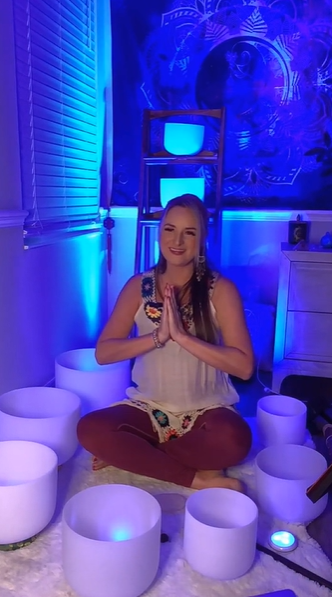
Imagine lying comfortably, eyes closed, as a symphony of gentle, resonant sounds washes over you. This isn't just music; it's a sound bath. Practitioners use instruments like Himalayan singing bowls, crystal singing bowls, gongs, chimes, and even their voices to create an immersive sonic experience. The intention is to guide you into a state of deep relaxation, where your body and mind can truly unwind.
Unlike passive listening, a sound bath is an active immersion. The vibrations are felt not just heard, permeating your physical being. It's an ancient healing practice, with roots in various spiritual traditions across the globe, now finding modern relevance as a potent tool for stress reduction and mental well-being.
The Stress Response: Cortisol and Your Body
When you encounter stress, your body's 'fight or flight' response kicks into gear. This involves the release of hormones like adrenaline and, significantly, cortisol. Cortisol is vital for regulating many bodily functions, but chronic elevation due to persistent stress can wreak havoc on your health. High cortisol levels are linked to increased anxiety, poor sleep, weight gain, weakened immunity, and even impaired cognitive function.
In our fast-paced world, many of us live in a state of perpetual low-grade stress, keeping cortisol levels consistently high. Breaking this cycle is crucial for both mental and physical health, and this is where practices like sound baths offer a powerful intervention.
How Sound Vibrations Influence Your Physiology
The magic of sound baths lies in their ability to shift your brainwave states. Typically, our waking state is dominated by Beta waves. As you relax into a sound bath, the rhythmic, soothing tones encourage your brain to transition into Alpha waves (associated with relaxation) and even Theta waves (linked to deep meditation, creativity, and reduced anxiety). This shift activates the parasympathetic nervous system – your body's 'rest and digest' mode.
When the parasympathetic system takes over, a cascade of beneficial physiological changes occurs. Your heart rate slows, blood pressure decreases, muscle tension releases, and your breath deepens. These are all signals to your body that it's safe to relax, directly counteracting the stress response and, crucially, signaling your adrenal glands to reduce cortisol production.
From Mind Chatter to Deep Calm: The Anxiety Antidote
Anxiety often manifests as a relentless stream of thoughts, future worries, and a heightened state of alertness. A sound bath provides a unique 'auditory anchor' that helps to quiet this mental chatter. The continuous, immersive sounds give your mind something to focus on, gently pulling it away from anxious rumination. It's difficult to hold onto anxious thoughts when your entire being is enveloped in harmonious vibration.
This forced present-moment awareness, coupled with the physiological calming, creates a profound sense of inner peace. Regular participation can train your brain to more easily access these calmer states, building resilience against daily stressors and reducing baseline anxiety levels over time. It's not a cure, but a powerful tool for managing and mitigating anxiety's grip.
The Science Speaks: Evidence for Sound Healing
While the subjective experience of sound baths is widely reported as deeply relaxing, scientific research is beginning to catch up. Studies have shown significant reductions in physiological markers of stress, including heart rate variability and blood pressure, after sound therapy sessions. Research specifically examining sound baths has indicated decreases in tension, anxiety, and negative mood states. Participants often report feeling more relaxed, centered, and emotionally balanced.
Furthermore, some studies have directly measured decreases in cortisol levels post-sound bath, providing concrete evidence of its physiological impact. This growing body of evidence validates what ancient traditions have known for centuries: sound has a profound capacity to heal and restore balance within the human system.
Integrating Sound Baths into Your Wellness Routine
Ready to experience the tranquility? Participating in a sound bath is remarkably easy. Many yoga studios, wellness centers, and specialized sound healing practitioners offer group sessions. Look for an experienced facilitator who creates a safe and nurturing environment. All you need to do is show up, find a comfortable spot, and allow the sounds to do their work. Wear comfortable clothing, bring a blanket, and an eye mask for an even deeper experience.
While a single session can offer immediate relief, consistency is key for long-term benefits. Consider making sound baths a regular part of your self-care routine, perhaps once a month or as needed during particularly stressful periods. Combined with other mindful practices like meditation or gentle movement, sound baths can become a cornerstone of your journey towards lower cortisol, reduced anxiety, and a more peaceful existence.
Frequently Asked Questions
How do sound baths reduce cortisol?
Sound baths induce a deep state of relaxation, activating the parasympathetic nervous system. This signals the body to lower its 'fight or flight' response, decreasing the production of stress hormones like cortisol and promoting a sense of calm and well-being.
Can sound baths help with chronic anxiety?
Yes, sound baths can be a powerful complementary tool for managing chronic anxiety. They help quiet the mind, shift brainwave states to promote relaxation, and regulate the nervous system, offering relief and building resilience against anxiety over time.
What instruments are used in a typical sound bath?
Common instruments include Himalayan and crystal singing bowls, gongs, chimes, tuning forks, and various percussion instruments. Sometimes, the practitioner's voice is also used for chanting or toning, creating a rich tapestry of therapeutic sound and vibration.
What should I expect during my first sound bath?
You'll typically lie down comfortably, often with blankets and pillows. The practitioner will play various instruments, creating immersive sounds. Your experience might range from deep relaxation to gentle introspection, or even falling asleep. The key is to simply relax and receive.
How often should I attend a sound bath for benefits?
While a single session can offer immediate stress relief, regular participation (e.g., once a month or every few weeks) is often recommended for sustained benefits. Consistency helps train your body and mind to access deeper states of relaxation more readily.