 Michelle Hummel
TL;DR — Reiki self-healing involves channeling universal life force energy into your own body using gentle hand placements, intentional breathing, and mindful presence. Practicing regular self-treatments helps clear energetic blockages, alleviate chronic stress, restore emotional equilibrium, and activate your parasympathetic nervous system for profound natural physical restoration right at home.
What Is Reiki Self-Healing and How Does It Work?
Reiki is an ancient Japanese energy healing art founded on the principle that an unseen universal life force energy, known as ki, flows through all living beings. When your vital energy is low, stagnant, or disrupted by daily stressors, you become more vulnerable to fatigue, emotional turmoil, and physical discomfort. Self-Reiki is simply the practice of turning that loving, restorative flow inward, using your own hands as gentle conduits to nourish your physical and energetic systems.
Unlike therapies that demand external tools or complex rituals, your innate capacity to heal resides in your hands and intention. When you practice self-treatment, you act as both the practitioner and the receiver. The subtle vibration of Reiki works synergistically with your biofield, gently coaxing your nervous system out of fight-or-flight and into the restorative parasympathetic state where cellular repair naturally flourishes.
You do not need to possess mystical gifts or decades of esoteric study to access this healing frequency. Even beginners who have received a Level 1 attunement—or mindful seekers working with focused biofield intention—can experience immediate shifts in physical tension, emotional clarity, and spiritual groundedness within minutes of laying hands upon themselves.
How Should You Prepare Your Sacred Space and Mind?
Creating an intentional, tranquil environment signals to your subconscious mind that it is safe to unwind and receive. Choose a quiet corner of your bedroom, a comfortable chair, or your yoga mat where you will not be disturbed for twenty to thirty minutes. Dim the overhead lights, illuminate a beeswax candle, and consider diffusing grounding essential oils such as frankincense, lavender, or cedarwood to engage your senses and quiet mental chatter.
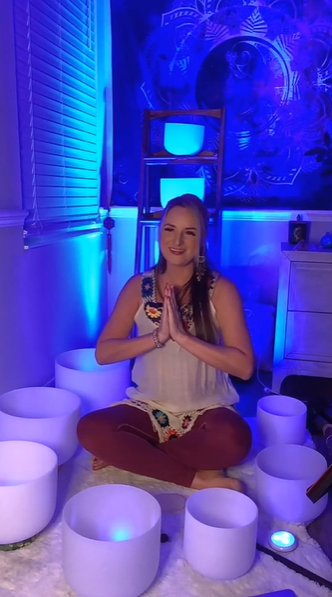
Begin your preparation with Gassho, the traditional Japanese practice of bringing your palms together in prayer position at the heart center. Close your eyes, soften your jaw, and focus your entire attention on the sensation where your middle fingers touch. This subtle focal point centers a wandering mind and awakens sensitivity in your palm chakras, preparing them to radiate warmth.
Set a clear, compassionate intention for your session. You might silently state: 'I open myself to universal life force energy. May this practice restore harmony, peace, and vitality to my body, mind, and spirit.' Take three slow, belly-expanding breaths, releasing any attachment to achieving a specific outcome. Trust that the energy intuitively knows where to go.
What Are the Core Hand Positions for Daily Self-Treatment?
A comprehensive self-treatment typically follows a sequence of hand placements moving gently from the crown down to the lower abdomen. Begin by cupping your hands gently over your closed eyes and temples without applying pressure. Breathe deeply as soothing warmth eases ocular strain, softens forehead tension, and settles an overactive nervous system.
Next, float your hands to rest softly over your throat and upper chest, honoring your center of communication and authenticity. From there, transition both palms over your heart space. Spend extra time here, feeling the rise and fall of your chest. The heart center often holds grief, unspoken boundaries, and emotional fatigue; resting your palms here invites self-forgiveness and envelops your emotional body in gentle unconditional warmth.
Continue moving downward to your solar plexus, resting your palms just above the navel to soothe digestive fires, rebuild personal confidence, and digest unprocessed experiences. Finally, place your hands on your lower abdomen and pelvic bowl, resting upon the sacral and root centers. This anchors your life force, eases pelvic tightness, and fosters a profound sense of safety and belonging in your physical form.
How Do You Clear Stagnant Energy Using Kenyoku-Ho?
Kenyoku-ho, translated as 'dry bathing' or 'clearing the aura,' is a classical technique codified by Mikao Usui to detach from foreign energies and shed mental residue. It is exceptionally potent to practice before beginning a full session or right after returning home from a crowded, overstimulating environment.
To perform Kenyoku-ho, stand comfortably with your feet planted firmly on the floor. Take a grounding breath. Place your right hand near your left shoulder and sweep it diagonally across your chest down to your right hip with a crisp, deliberate exhaled breath. Repeat this sweeping motion using your left hand, moving from your right shoulder diagonally down to your left hip, then once more with your right hand across to the left.
Next, extend your left arm forward. Place your right fingers near the left wrist or shoulder, and stroke down along the length of your arm and off through your fingertips with a firm clearing intent. Mirror this movement on your right arm. Imagine this brushing away subtle energetic debris, leaving your auric boundary crisp, clean, and beautifully fortified.
Can You Integrate Breathwork with the Joshin Kokyu-Ho Technique?
Breath is the vehicle that moves life force through the physical conduits of the body. Combining conscious breathing with Reiki amplifies your energetic sensitivity and expands your capacity to hold light. One of the most venerable practices for this is Joshin Kokyu-ho, the meditation for purifying the spirit and building inner core power.
Sit tall with a straight, relaxed spine and rest your hands palms-up on your thighs. As you inhale through your nose, visualize brilliant, crystalline universal light pouring into your crown chakra at the top of your head. Feel this luminous light cascade downward through your central meridian and pool deeply into your Tanden (the energetic reservoir situated two inches below your navel).
Pause gently for a second, feeling your lower abdomen fill with concentrated warmth. As you slowly exhale through your mouth, visualize that golden energy expanding outward from your Tanden, radiating through every muscle, cell, and pore of your skin until your entire aura glows like an incandescent sun. Repeating this cycle for five to ten minutes revitalizes depleted adrenal systems and clears lingering emotional stagnation.
How Should You Close and Integrate Your Home Healing Session?
Concluding your self-Reiki practice intentionally is just as critical as the opening invocation. Rather than jumping immediately back into chores, screens, or conversations, give your subtle anatomy a gentle buffer to anchor and assimilate the shifts you have initiated.
To seal your session, bring your hands back to your heart in the Gassho posture. Offer heartfelt gratitude to yourself for taking this restorative time, and express appreciation to the universal life force energy that guided the session. Gently stroke your hands over your physical body from head to toes, smoothing down your auric field to ensure your energetic boundaries are intact and centered.
Ground your physical body by pressing your bare feet into the floor, touching your hands to the carpet, or gently rubbing your earlobes to return fully to waking consciousness. Drink a tall glass of room-temperature water immediately afterward to facilitate cellular hydration and help flush any energetic or metabolic toxins that your body released during treatment.
Frequently Asked Questions
Do I need a formal Reiki attunement to practice self-healing at home?
While a traditional Reiki attunement opens your subtle channels to channel higher vibrational frequencies effortlessly, anyone can practice biofield self-healing. Intentional touch, mindful breathing, and focused compassion activate your body's natural energetic currents, providing immense restorative benefits even without a formal certification.
How often should I practice Reiki self-healing?
Daily practice is ideal, especially when you are navigating chronic stress, burnout, or emotional transitions. Committing to even ten to fifteen minutes every morning or before bedtime creates cumulative healing benefits, establishing long-term energetic resilience and balancing your nervous system.
What physical sensations are normal during a self-treatment?
Common sensations include gentle warmth, coolness, tingling in the palms, stomach gurgling as the digestive system relaxes, and spontaneous deep sighs or yawning. You might also feel emotional releases or fall into a light sleep; all are normal signs of balance being restored.
Can I practice Reiki self-healing while lying in bed before sleeping?
Yes, practicing in bed is wonderful for insomnia and nighttime anxiety. Placing your hands on your heart and solar plexus as you drift to sleep allows your subconscious mind to absorb the calming energy, promoting deeper REM cycles and restorative physical healing throughout the night.