
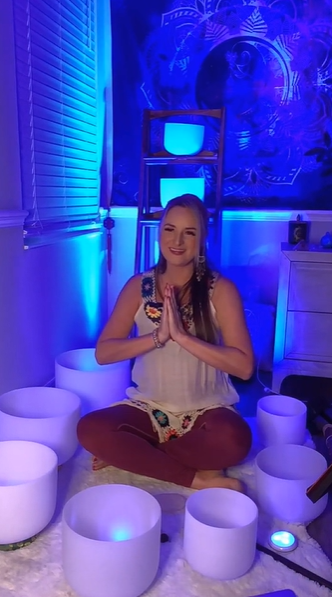
 Michelle Hummel
TL;DR — To choose your first crystal singing bowl by chakra, understand each chakra's frequency and meaning. Match the bowl's note (C-G) to the desired chakra for targeted healing and energetic balance. Trust your intuition and listen for the sound that resonates most deeply with your intention.
Why Choose a Crystal Singing Bowl for Chakra Healing?
Crystal singing bowls are powerful tools for sound healing, meditation, and energetic alignment. Made from pure quartz crystal, they produce ethereal, resonant tones that vibrate at specific frequencies. These frequencies correspond directly to the energetic centers within our bodies, known as chakras. When a chakra is out of balance, it can manifest as emotional, physical, or spiritual blockages. Playing a crystal singing bowl tuned to that specific chakra can help to restore harmony, clear stagnant energy, and promote overall well-being.
The unique resonance of crystal singing bowls creates a deeply meditative state, allowing your body and mind to relax and receive the healing vibrations. Many practitioners use them to deepen their yoga practice, enhance meditation, or simply create a serene atmosphere in their homes. For a beginner, choosing a bowl aligned with a specific chakra can provide a focused entry point into sound healing, allowing you to address particular areas of your life that need attention.
Understanding Chakra Frequencies and Musical Notes
Before selecting your bowl, it's essential to grasp the relationship between chakras and musical notes. Each of the seven main chakras is associated with a specific note in the Western musical scale, which corresponds to its energetic frequency. These correspondences are widely accepted in sound healing traditions:
- Root Chakra (Muladhara): Note C – Grounding, stability, security.
- Sacral Chakra (Svadhisthana): Note D – Creativity, passion, emotions.
- Solar Plexus Chakra (Manipura): Note E – Personal power, confidence, digestion.
- Heart Chakra (Anahata): Note F – Love, compassion, connection.
- Throat Chakra (Vishuddha): Note G – Communication, truth, self-expression.
- Third Eye Chakra (Ajna): Note A – Intuition, insight, wisdom.
- Crown Chakra (Sahasrara): Note B – Spiritual connection, enlightenment, cosmic consciousness.
While this is the standard, some bowls are tuned to 'sharps' or 'flats' for more nuanced energetic work. For your first bowl, focusing on the core seven notes is an excellent starting point. Knowing which chakra you wish to support will directly guide you to the corresponding musical note.
Identify Your Chakra Needs: Where Do You Seek Balance?
The most crucial step in choosing your first crystal singing bowl is to honestly assess your current energetic and emotional state. Where do you feel a sense of imbalance, blockage, or a strong desire for growth?
- Feeling ungrounded or insecure? Your Root Chakra (C note) might need attention.
- Struggling with creativity or emotional expression? The Sacral Chakra (D note) could be calling to you.
- Lacking confidence or personal power? The Solar Plexus Chakra (E note) is a good focus.
- Experiencing grief or difficulty with love and connection? The Heart Chakra (F note) is key.
- Having trouble speaking your truth or expressing yourself? The Throat Chakra (G note) awaits.
- Seeking clarity, intuition, or inner wisdom? The Third Eye Chakra (A note) is your guide.
- Yearning for deeper spiritual connection or a sense of purpose? The Crown Chakra (B note) beckons.
Take a moment to meditate on these questions. Listen to your body and your inner wisdom. Often, the answer will come intuitively, guiding you towards the area that needs the most nurturing right now.
Choosing Your Bowl's Size and Material: What Resonates?
Crystal singing bowls come in various sizes, typically ranging from 6 to 24 inches or more in diameter, and are crafted from different types of quartz. The size of the bowl directly impacts its pitch and sustain. Larger bowls generally produce deeper, longer-sustaining tones that are often associated with lower chakras (C, D, E). Smaller bowls tend to have higher pitches and shorter sustains, often used for upper chakras (G, A, B).
While the size can influence the note, a skilled crafter can tune any size bowl to any note, so don't let size be your only determinant. More important for a first-timer is the feel and sound of the bowl. Most beginner bowls are 'frosted' clear quartz, which offers a beautiful, resonant tone and is very durable. There are also 'alchemy' bowls infused with various precious metals and crystals, offering more complex energetic profiles, but these are often a next step once you're familiar with sound healing. For your first bowl, prioritize a clear, strong tone that feels good to you and matches your chosen chakra note.
The Power of Intuition: Listen and Feel
While understanding chakra notes provides an excellent framework, the ultimate guide in choosing your first crystal singing bowl is your own intuition. When shopping, whether online (listening to sound samples) or in person, pay attention to how a bowl makes you feel.
Close your eyes and listen to its tone. Does it send a shiver down your spine? Does it evoke a sense of peace, clarity, or excitement? Does it resonate with the energy you identified as needing balance? Sometimes, a bowl for a different chakra than you initially intended will simply 'call' to you. Trust that calling. Our higher selves often know exactly what we need, even if our logical mind hasn't caught up yet. Your first bowl is a personal energetic tool; it should feel like an extension of yourself and your healing journey.
Starting Your Sound Healing Journey
Once you've chosen your first crystal singing bowl, the journey truly begins. Begin by finding a quiet space where you won't be disturbed. Sit comfortably, take a few deep breaths, and set your intention for healing or balancing your chosen chakra. Gently strike or rub the rim of the bowl with its accompanying mallet. Allow the sound to wash over you, feeling its vibrations within your body.
Consistency is key. Even just 5-10 minutes of daily practice can create profound shifts. Don't be afraid to experiment with different striking techniques or speeds to find what feels most resonant for you. Remember, your crystal singing bowl is more than just an instrument; it's a sacred ally in your pursuit of peace, balance, and spiritual growth. Embrace the beautiful sounds and the profound healing they offer, and enjoy the harmonious journey that unfolds.
Frequently Asked Questions
What's the best note for a first crystal singing bowl?
The best note depends on your current needs. If you seek grounding, choose C (Root Chakra). For love and compassion, F (Heart Chakra) is ideal. Assess where you need balance, then match the note (C-B) to that specific chakra's energy for targeted healing and a strong starting point.
Can I use one bowl for all chakras?
While one bowl primarily targets its specific chakra, its resonant vibrations can subtly influence your entire energy field. A single bowl can create a meditative state beneficial for overall well-being. For focused chakra work, however, specific bowls are more effective. Many people start with one, then gradually add more bowls to create a complete chakra set.
How do I care for my crystal singing bowl?
Clean your bowl gently with a soft cloth and warm water, avoiding harsh chemicals. Always handle it carefully, as pure quartz is fragile and can chip or break if dropped. Store it in a padded case or on a stable, flat surface away from direct sunlight or extreme temperatures to preserve its integrity and sound quality.
What's the difference between frosted and clear bowls?
Frosted bowls are made from sand-blasted quartz, producing a louder, more sustained, and earthy tone, often with a visible texture. Clear bowls are polished smooth, offering a purer, more ethereal, and precise tone, typically with higher pitches. Frosted bowls are generally more durable and popular for beginners due to their robust sound.
How do I know if my chakra is out of balance?
Chakra imbalances manifest differently. For example, a blocked Root Chakra might cause anxiety or insecurity, while a blocked Heart Chakra could lead to difficulty with empathy or loneliness. Physical symptoms, emotional patterns, and persistent feelings can all indicate an imbalance. Self-reflection and understanding each chakra's role will help you identify areas needing attention.